Creating a cozy and inviting home workspace can make a significant difference in your daily productivity and overall well-being. Whether you work remotely full-time or occasionally need a quiet spot to focus, designing a space that is both comfortable and inspiring is essential. Here are practical tips to help you build a home workspace where you’ll enjoy spending time and getting work done efficiently.
Choose the Right Location
Consider Natural Light
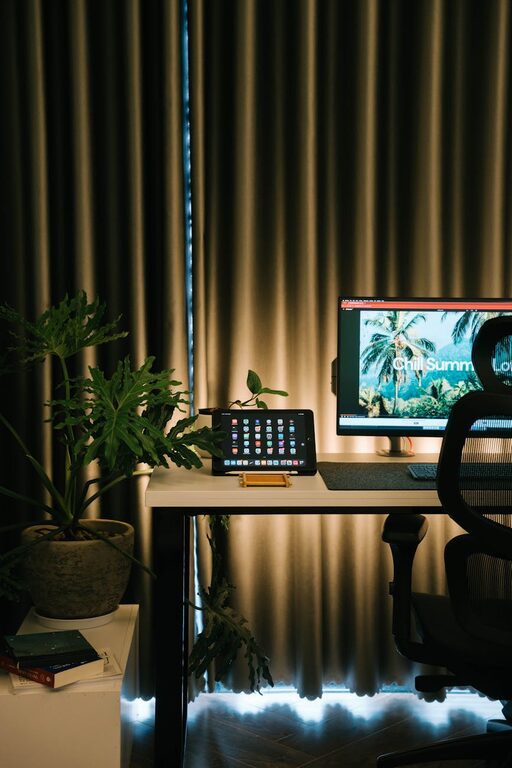
Natural light can boost mood and focus. Position your desk near a window if possible, but avoid glare on your computer screen. If natural light is limited, opt for daylight-balanced bulbs to mimic sunlight.
Minimize Distractions
Select a spot away from the household’s busiest areas. Quiet corners or spare rooms offer more privacy. If your space is limited, consider room dividers or noise-cancelling headphones to create separation.
Invest in Comfortable and Functional Furniture
Ergonomic Chair
A supportive chair tailored to your body can prevent discomfort during long hours. Look for adjustable features like height, lumbar support, and armrests.
Sturdy Desk
Choose a desk that fits your space and work needs. Standing desks or adjustable desks allow flexibility, promoting movement throughout the day.
Adequate Storage
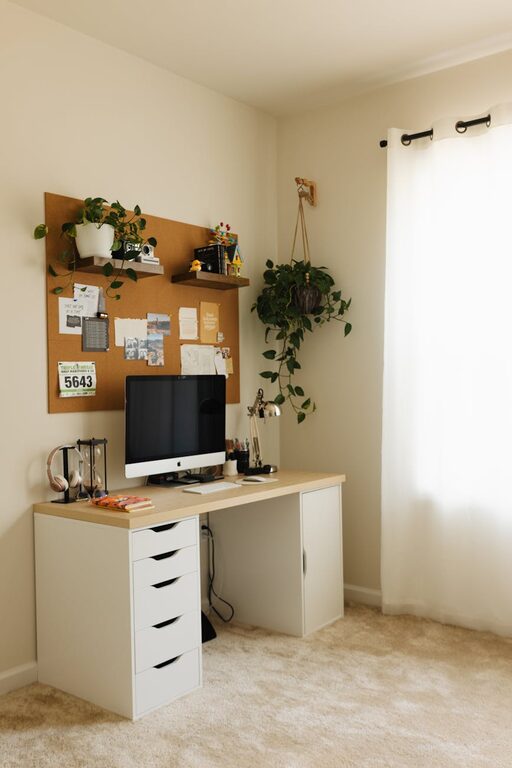
Keep your workspace tidy with shelves, drawers, or organizers. Clutter can cause distraction and stress, so a system to manage papers and supplies is helpful.
Personalize Your Workspace
Add Textures and Soft Elements
Throw pillows, cushions, or a soft rug make your area feel warm and inviting. These textures add comfort and a touch of personality.
Incorporate Plants
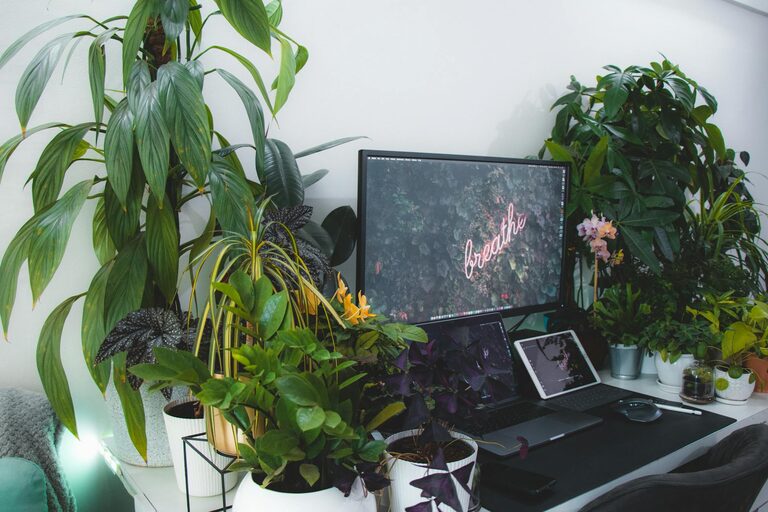
Plants improve air quality and add a natural element. Choose low-maintenance options like succulents or pothos to brighten your desk.
Display Meaningful Items
Include photos, inspirational quotes, or art that motivates you. Just remember not to overcrowd your space to maintain focus.
Optimize Lighting for Comfort
Layered Lighting
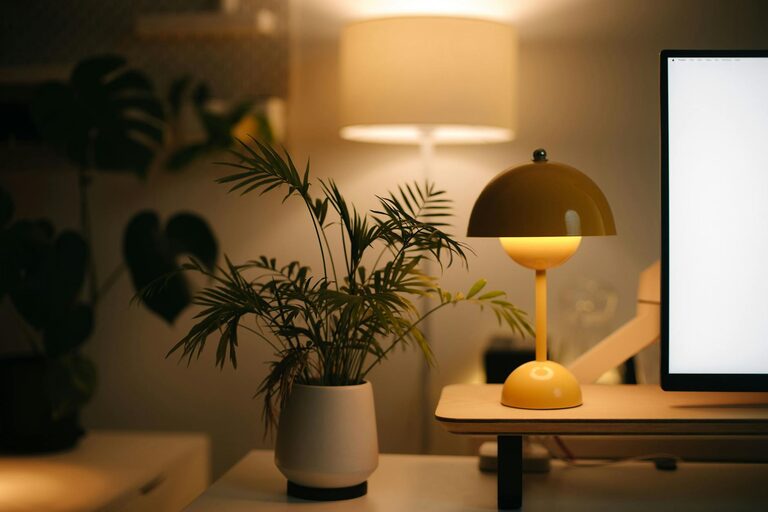
Use a combination of overhead lights, desk lamps, and ambient lighting. Adjustable desk lamps help reduce eye strain during detailed tasks.
Soft, Warm Light
Soften harsh lighting with lampshades or bulbs that emit warm tones to create a cozy atmosphere, especially for evening work sessions.
Keep Technology Organized and Accessible
Cable Management
Use clips, boxes, or sleeves to organize cords and chargers. Neatly arranged cables prevent tangling and keep your desk looking tidy.
Essential Tech Setup
Invest in quality equipment like a reliable monitor, keyboard, and mouse. Position screens at eye level to maintain good posture.
Develop a Routine to Maintain the Space
Daily Cleanup
Spend a few minutes each day putting things away and wiping surfaces. A clean workspace invites productivity and reduces stress.
Refresh Periodically
Rearrange or redecorate occasionally to keep the environment inspiring. Change plants, update artwork, or swap out accessories seasonally to keep your space feeling fresh.
Incorporate Calming Elements
Soft Sounds
Background music or white noise machines can create a soothing environment. Experiment with what helps you focus best.
Aromatherapy
Scents like lavender or eucalyptus from essential oil diffusers can promote relaxation and calm.
Manage Temperature and Air Quality
Comfortable Temperature
Make sure your workspace is neither too hot nor too cold. A small fan or heater can help regulate comfort.
Air Circulation
Keep fresh air circulating with an open window, air purifier, or desk fan to maintain alertness.
Conclusion
Creating a cozy and inviting home workspace doesn’t require a big budget or complicated renovations. By picking the right spot, investing in comfort, personalizing your space, and keeping it organized, you can establish a work area that supports focus and well-being. Small touches like lighting, plants, and calming sounds can make your workspace not only productive but a place you look forward to using every day. Start with one or two changes and build your ideal workspace over time. Your productivity—and your mood—will thank you.
About the Author