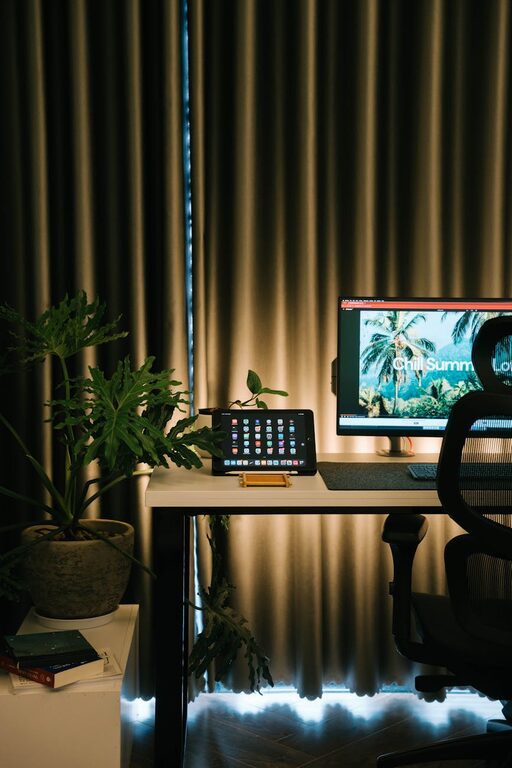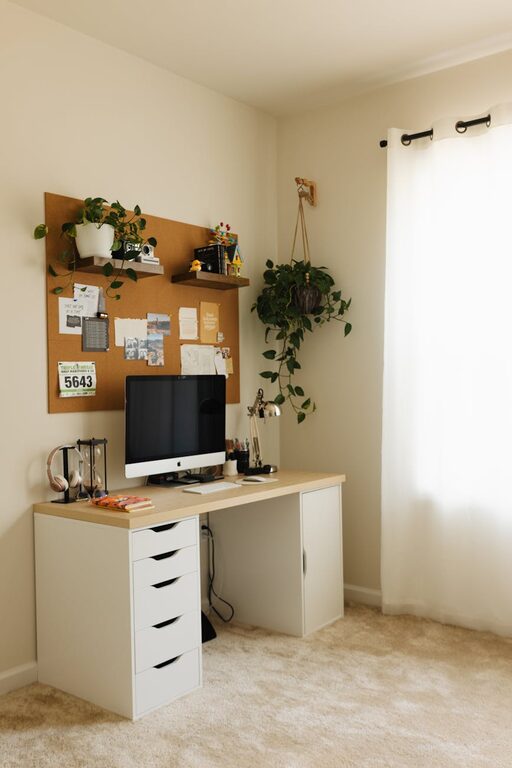
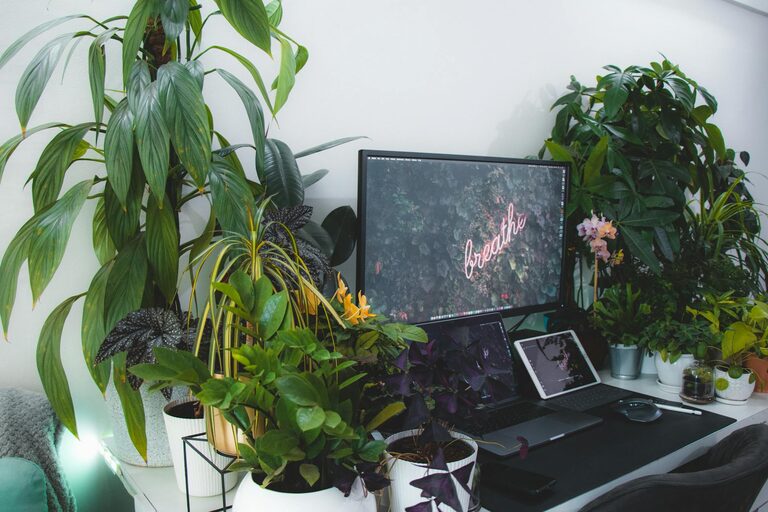
Creating a relaxing home office environment is essential for anyone who spends a significant amount of time working from home. A well-designed and calming workspace can improve focus, reduce stress, and make your workday more enjoyable. Whether you have a dedicated room or just a small corner, these tips will help you turn your home office into a comfortable and inviting space.
Choose the Right Location
Find a Quiet Spot
Select a space in your home that naturally has fewer distractions and noise. Ideally, it should be away from high-traffic areas like the kitchen or living room. If possible, choose a room with a door to minimize interruptions.
Consider Natural Light
Position your desk near a window to take advantage of natural light. Sunlight not only brightens your space but can also boost your mood and energy. If natural light is limited, invest in quality lighting options, such as daylight-balanced bulbs or adjustable desk lamps.
Prioritize Comfort and Ergonomics
Invest in a Good Chair
Comfortable seating is critical to maintaining good posture and avoiding back pain. Choose a chair with adjustable height, lumbar support, and cushioning. Your chair should allow you to sit with feet flat on the floor and knees at a 90-degree angle.
Set Up Your Desk Properly
Make sure your desk height allows your arms to rest comfortably while typing, with elbows at about 90 degrees. Keep your computer monitor at eye level to reduce neck strain. Using a keyboard tray or laptop stand can help achieve this setup.
Declutter and Organize
Keep Surfaces Clear
A tidy desk can help clear your mind. Use trays, baskets, and organizers to keep papers, office supplies, and equipment neatly stored. Only keep essential items on your desk to avoid distractions.
Create Storage Solutions
Use shelves, filing cabinets, or drawers to store documents and other materials you don’t need daily. Having a dedicated place for everything makes it easier to maintain order.
Incorporate Calming Colors and Decor
Use Soothing Colors
Colors can influence your mood and productivity. Soft blues, greens, and neutrals are known to create a calming effect. Avoid overly bright or harsh colors that might cause discomfort or distraction.
Add Personal Touches
Display a few personal items such as photos, artwork, or plants. These elements can make your workspace more inviting and motivate you while working.
Bring Nature Indoors
Add Plants
Indoor plants improve air quality and contribute to a more relaxed atmosphere. Choose low-maintenance plants like succulents, spider plants, or peace lilies that thrive indoors.
Incorporate Natural Elements
Wooden furniture, stone accessories, or nature-inspired artwork can bring a sense of tranquility to your office space.
Minimize Noise and Distractions
Use Noise-Cancelling Headphones
If you cannot avoid background noise, noise-cancelling headphones can help you focus better.
Play Soft Background Music
Some people find that soft instrumental or ambient music helps maintain concentration and reduce stress. Experiment to see if this works for you.
Establish a Dedicated Work Schedule
Set Boundaries
Creating a schedule helps separate work time from personal time. Inform family or roommates of your working hours to minimize interruptions.
Take Regular Breaks
Short breaks to stretch, hydrate, or step outside can refresh your mind and improve overall productivity.
Include Relaxation Features
Add a Comfortable Seating Area
If space allows, include a small sofa or armchair. This can be a spot to take breaks or brainstorm ideas in a relaxed setting.
Use Aromatherapy
Diffusers with calming scents like lavender or eucalyptus can enhance your workspace’s ambiance.
—
By implementing these tips, you can create a home office environment that not only supports your work but also promotes relaxation and well-being. A calm and organized workspace makes it easier to stay focused and productive while enjoying your time at home.
About the Author